
Endodontic Retreatment in Katy,TX
With the appropriate care, your teeth that have had endodontic treatment,root canal , will last as long as other natural teeth. Yet, a tooth that has received treatment may fail to heal or pain may continue to exist. Sometimes, the pain may occur months or years after treatment. If so, Dr. Mendez and associates may recommend root canal retreatment in Katy TX to address the source of persistent or recurrent disease and help preserve the natural tooth whenever possible.
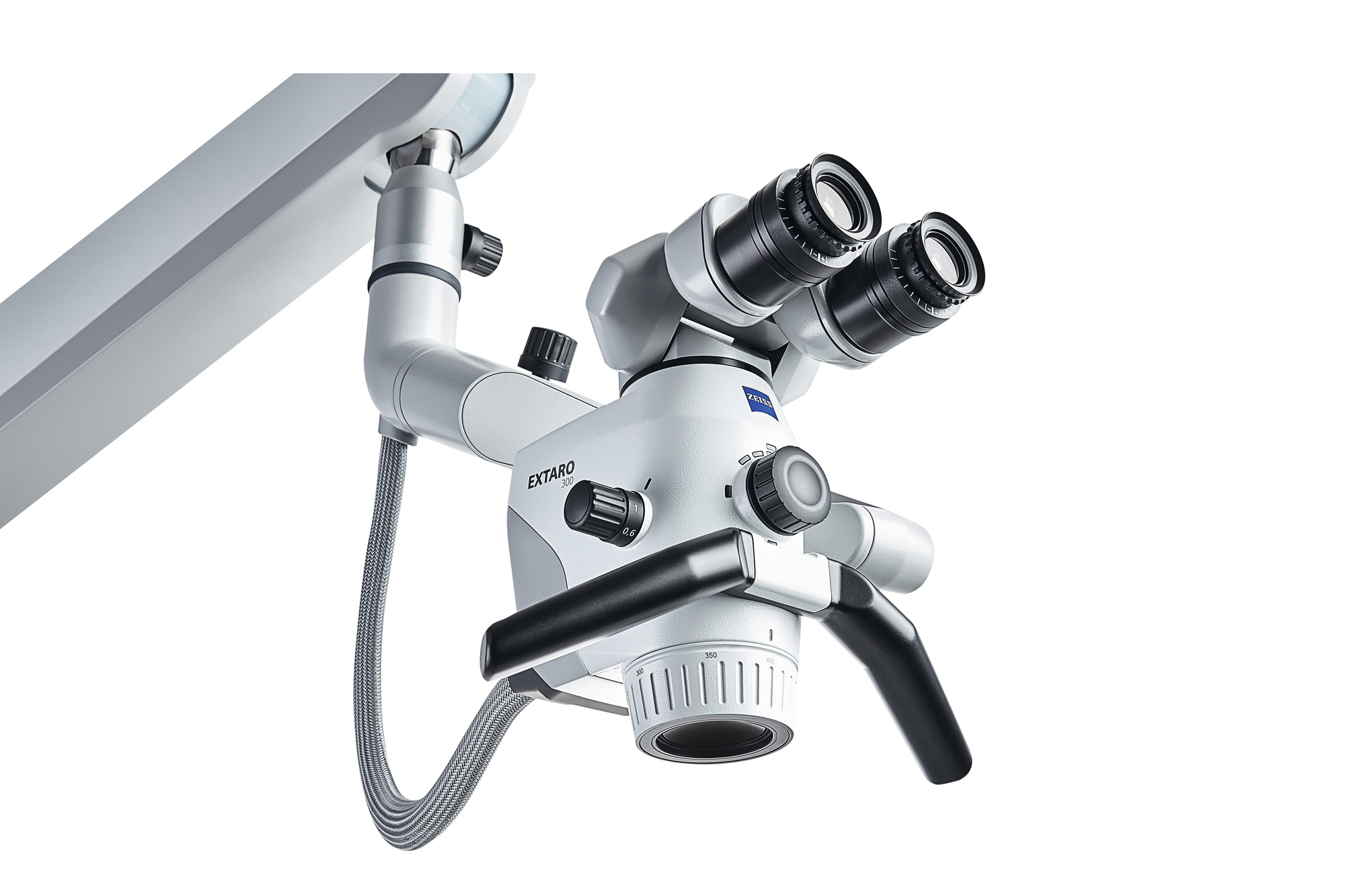
At EMC Endodontics and Microsurgery Center, previously treated teeth are carefully evaluated using advanced diagnostic imaging, including 3D CBCT when indicated, and microscopic magnification to assess complex canal anatomy, previous treatment, and the surrounding bone before determining the most appropriate Retreatment option.
Improper healing may be caused by:
- Curved or narrow canals that were not treated during the initial treatment.
- Complicated canals that went undetected during the initial treatment.
- The crown or restoration was not placed within the appropriate amount of time following the procedure.
- The crown or restoration that did not prevent saliva from contaminating the inside of the tooth.
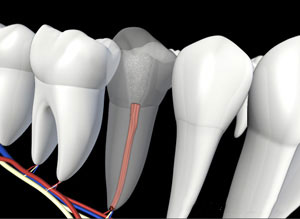
Inflamed root canal filling
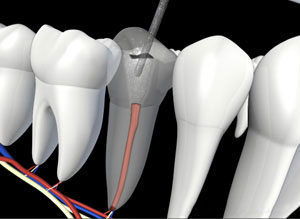
Filling Removed
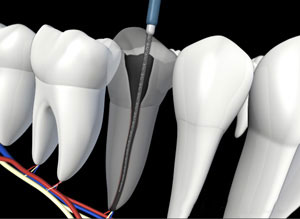
Canals Cleaned
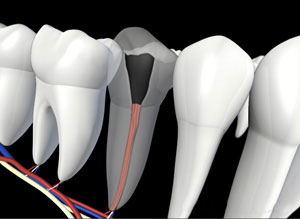
Root Material Placed
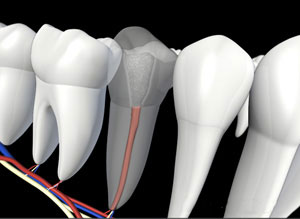
Filling Restored
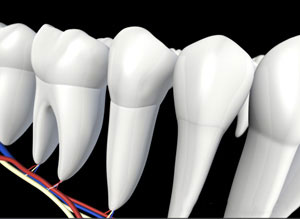
Healed Tooth
In some cases, new problems can influence a tooth that was successfully treated:
-
New decay can expose a root canal filling material, causing infection.
-
A cracked or loose filling or crown can expose the tooth to new infection.
Can a previously treated tooth be saved?
-
Many teeth with persistent disease after previous root canal treatment can be considered for nonsurgical retreatment. However, every case is different. The condition of the tooth, remaining tooth structure, periodontal support, presence of fractures, previous treatment, and extent of infection are all important factors in determining prognosis.
When nonsurgical retreatment is not the preferred option, endodontic microsurgery may sometimes be considered. In other situations, extraction may be recommended. Our goal is to provide an individualized diagnosis and discuss the treatment options that offer the most appropriate prognosis for your tooth.