

Root Canal Treatment in Katy, TX
Our office provides specialty root canal treatment for patients in Katy, TX and the surrounding West Houston area. All treatment is performed by a board-certified endodontist with advanced training in diagnosing and treating dental pain and infection.
What is root canal treatment?
Root canal treatment, commonly referred to as a root canal, is one of the most common dental procedures performed, with well over 14 million completed each year. This simple treatment can save your natural teeth and prevent the need for dental implants or bridges.
At the center of your tooth is the pulp. The pulp is the soft, living tissue inside the tooth that contains blood vessels, nerves, and connective tissue. Infection of the pulp can be caused by trauma to the tooth, deep decay, cracks, chips, or repeated dental procedures. Symptoms of infection may include visible injury or swelling of the tooth, sensitivity to temperature, or pain in the tooth and gums.
If you experience any of these symptoms, your dentist will most likely recommend non-surgical treatment to eliminate the diseased pulp. During root canal treatment, the infected pulp is removed and the root canal system is thoroughly cleaned and sealed. Root canal therapy usually involves local anesthesia and may be completed in one or more visits, depending on the treatment required.
Root canal treatment has a high success rate, occurring in approximately 90% of cases. If your tooth is not amenable to endodontic treatment or if the chance of success is unfavorable, you will be informed at the time of consultation or if a complication becomes evident during or after treatment.
Comfort During Treatment
Dr. Mendez uses local anesthesia to ensure patient comfort during root canal treatment. When indicated, sedation options for anxiety management are available in our office, including nitrous oxide, oral sedation, and IV sedation.
Nitrous oxide is the most commonly used option. Most patients are able to drive home after treatment and typically return to their normal daily activities shortly thereafter. For added comfort, patients may enjoy Netflix or music during treatment.
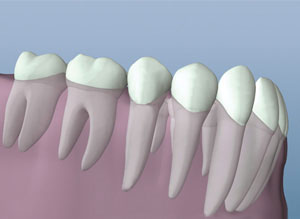
Healthy Tooth
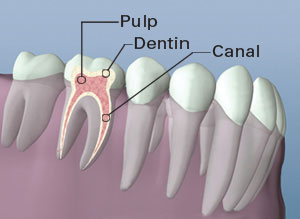
Tooth Anatomy
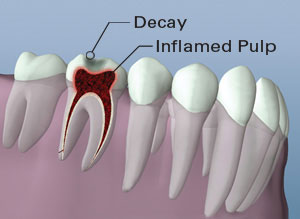
Inflammation
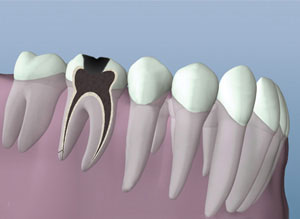
Cleaned Canals
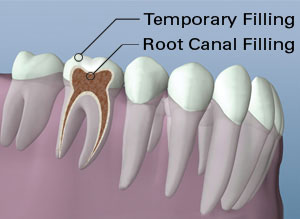
Filling Placed
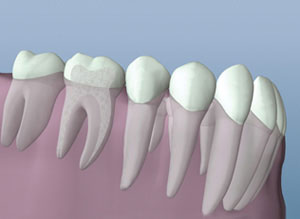
Healed Tooth
Endodontic Presentation
To provide you with a better understanding of endodontic procedures, we have provided the following multimedia presentation. Many common questions pertaining to root canal therapy are discussed.
Frequently Asked Questions About Endodontic (Root Canal) Treatment
Is endodontic (root canal) treatment painful?
Endodontic treatment is performed using local anesthesia to keep you comfortable during the procedure. Most patients report that root canal treatment feels similar to having a routine dental filling. Modern techniques and anesthesia allow treatment to be predictable and comfortable.
How long does endodontic treatment take?
Many endodontic treatments can be completed in one visit. In some cases, a second appointment may be needed depending on the complexity of the tooth or the extent of infection. Your endodontist will discuss the expected treatment time with you before beginning care.
What are the signs that I may need endodontic treatment?
Common symptoms include persistent tooth pain, sensitivity to hot or cold, swelling of the gums, tenderness when biting or chewing, or discoloration of the tooth. In some cases, an infected tooth may not cause noticeable symptoms and is diagnosed during a dental examination.
What happens during endodontic treatment?
During endodontic treatment, the infected or inflamed pulp is removed from inside the tooth. The root canal system is then carefully cleaned, disinfected, and sealed to prevent reinfection. The tooth is preserved so it can continue to function normally.
What happens after endodontic treatment is completed?
After treatment, a report will be sent to your restorative dentist. A permanent restoration, such as a crown, is typically recommended to protect the tooth and restore full function. Most patients are able to return to normal activities shortly after treatment.
Is endodontic treatment better than tooth extraction?
In most cases, saving the natural tooth with endodontic treatment is the preferred option. Natural teeth provide better chewing efficiency, maintain proper bite alignment, and often offer a more cost-effective and long-term solution than extraction followed by tooth replacement.